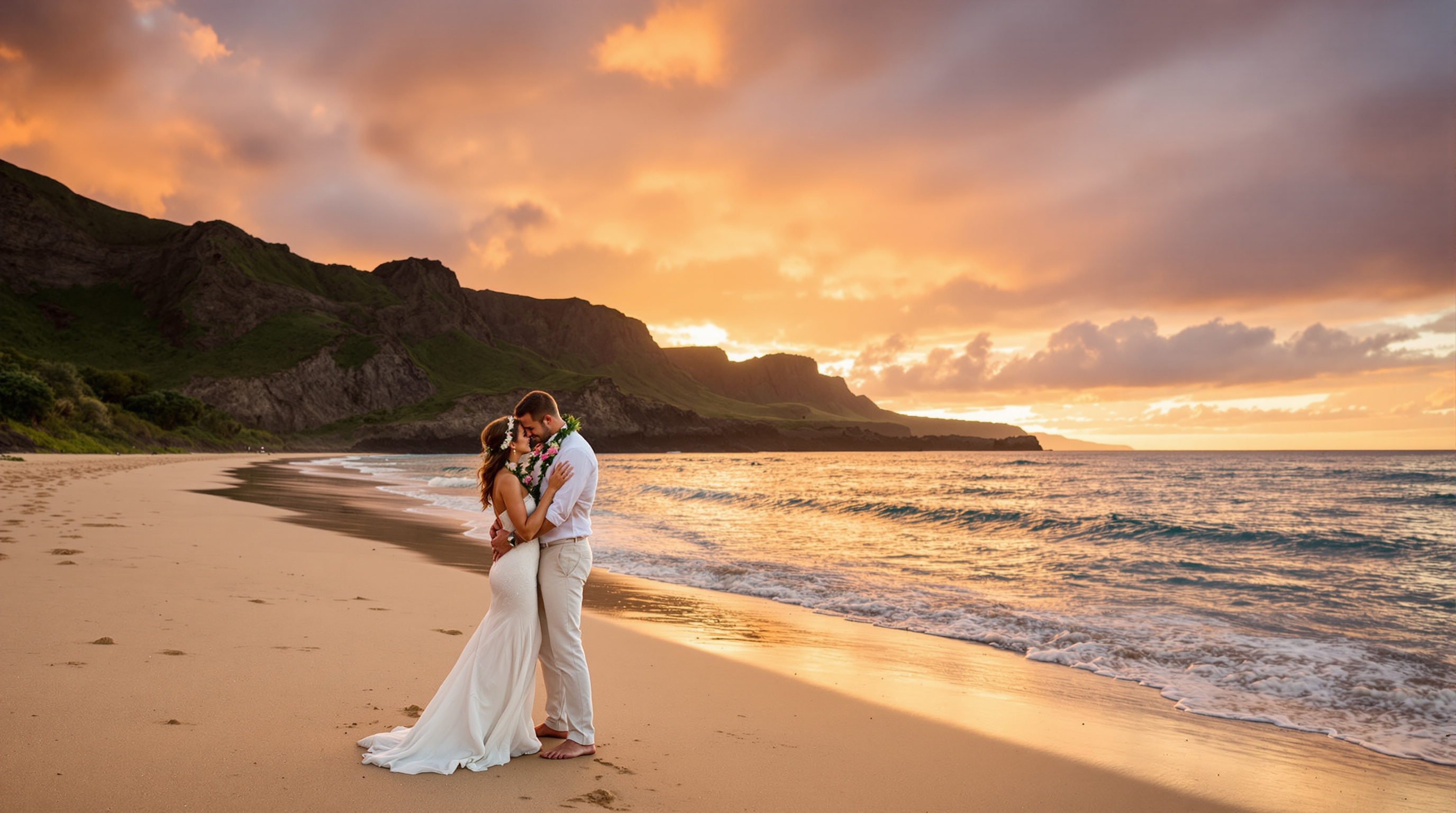
A photograph begins with a place you are allowed to use. On Kauai, planning a park visit can involve an entry reservation, a parking time slot, a permit for an event and separate rules for aircraft. Work through those questions before deciding where the tripod goes. Keep the park, activity and travel day together in your notes. Permission for one part of the plan does not cover everything.
Hāʻena State Park and Kēʻē Beach
The Hāʻena State Park listing places Kēʻē Beach within a park with daily visitor limits and advance reservations for non-residents. It lists an entry fee of $5 per non-resident and parking of $10 per vehicle. Hawaii residents are exempt from the fees and reservation system; the listing specifies a Hawaii driver's license or ID for resident entry and parking.
Day-use entry and parking reservations become available 30 days in advance. A parking reservation applies only to its selected time slot. To park from opening until closing at sunset, the listing says to purchase all three time slots; some slots may be unavailable for a given date. Keep the parking voucher ready in print or digital form for arrival.
For photographs, start with the time you actually need and fit the visit inside that window. Do not assume that a morning parking reservation covers an evening composition. Read the reservation details carefully before choosing a date, and keep the voucher with the rest of your travel notes.
Wailua River State Park
The state parks division's Wailua River State Park listing includes the Wailua River Valley and the ʻŌpaekaʻa and Wailua Falls vistas. Its fee note, effective February 2026, lists $5 entry per non-resident and $10 parking per non-resident vehicle. Residents enter and park without charge with Hawaii ID or a driver's license. The listed daily hours are 7:00am to 7:45pm.
Keep those fees attached to the state park. They are not a price statement for the beach park at the river mouth. A plan described simply as Wailua can be too vague: write down whether the intended destination is a vista, a river access or another part of the park. The waterfall location guide helps distinguish scenic viewpoints from waterfall approaches.
The listing also identifies the Wailua Complex of Heiau as a National Historic Landmark, including places of worship, places of refuge and birthstones. Treat cultural features as part of the place you are visiting. State park rules require geological, historical and archaeological features, plants, wildlife and habitat to remain undisturbed.
Drones: Park Rules and FAA Basics
The state park rules prohibit the use, launching and landing of drones. That is a rule about the park, so completing federal pilot requirements does not make a state park an available launch site. Plan a ground-level photograph there and leave the aircraft out of the composition plan.
For flights made for fun, the FAA's recreational flyer guidance requires the free online TRUST test and carrying proof while flying. A drone weighing 250 grams or more must be registered. The recreational guidance is about recreational flying; do not treat this outline as clearance for a commercial photographic session.
The aircraft must stay within visual line of sight, or a visual observer must be physically beside the pilot and in direct communication. In Class G, or uncontrolled, airspace, the ceiling is 400 feet. In controlled airspace, prior FAA authorization is required and the flight must stay at or below authorized altitudes. Give way to other aircraft.
Since 16 September 2023, drones requiring an FAA registration number must also broadcast Remote ID information unless flown within a Federally-Recognized Identification Area. Remote ID is a separate check alongside registration, airspace and the park's rules.
Weddings, Groups and Commercial Sessions
The state parks division's Special Use Permit information lists weddings among activities requiring a permit. Requests must be submitted at least 45 days before the requested use and include a map of the location. Each request is considered on its own merits and must be compatible with the particular area.
For a proposed commercial event, allow at least 90 days. The division says a commercial aspect, including a participation fee, or fund-raising may require approval by the Board of Land and Natural Resources. Groups of 26 or more picnickers or other day users also require a group use permit. Keep the activity and expected size of the gathering explicit in the plan.
Do not read the event guidance as a blanket answer for every commercial session. Use it to identify the questions to resolve for the intended park and activity. A date on a calendar is a proposal; the permit process considers whether that use fits the area. Leave room to change the photographic plan.
Check Notices Before Every Trip
A park's usual fees and hours do not establish access on a particular day. Under the state parks division's 8 October 2026 notice, Hāʻena and the other Kauai state parks outside the stated partial reopening remained closed. The notice described Wailua River's 21 September partial reopening for river and designated landing or trailhead access, while barring individual kayakers from Fern Grotto and retaining closures beyond the trailhead and at Secret Falls.
Road access needs its own check. The Hawaiʻi Tourism Authority's 29 September 2026 notice limited Kūhiō Highway from Princeville to Kēʻē to local traffic and reported Kōkeʻe Road closed. These are dated snapshots, not permission for a later visit. Look for subsequent notices covering both the road and the destination before setting out.
Keep the access check separate from choosing good light. Read official notices again as the trip approaches, follow posted signs at the park and change plans if the intended route or activity is restricted. The useful photograph is the one that fits the permitted visit.